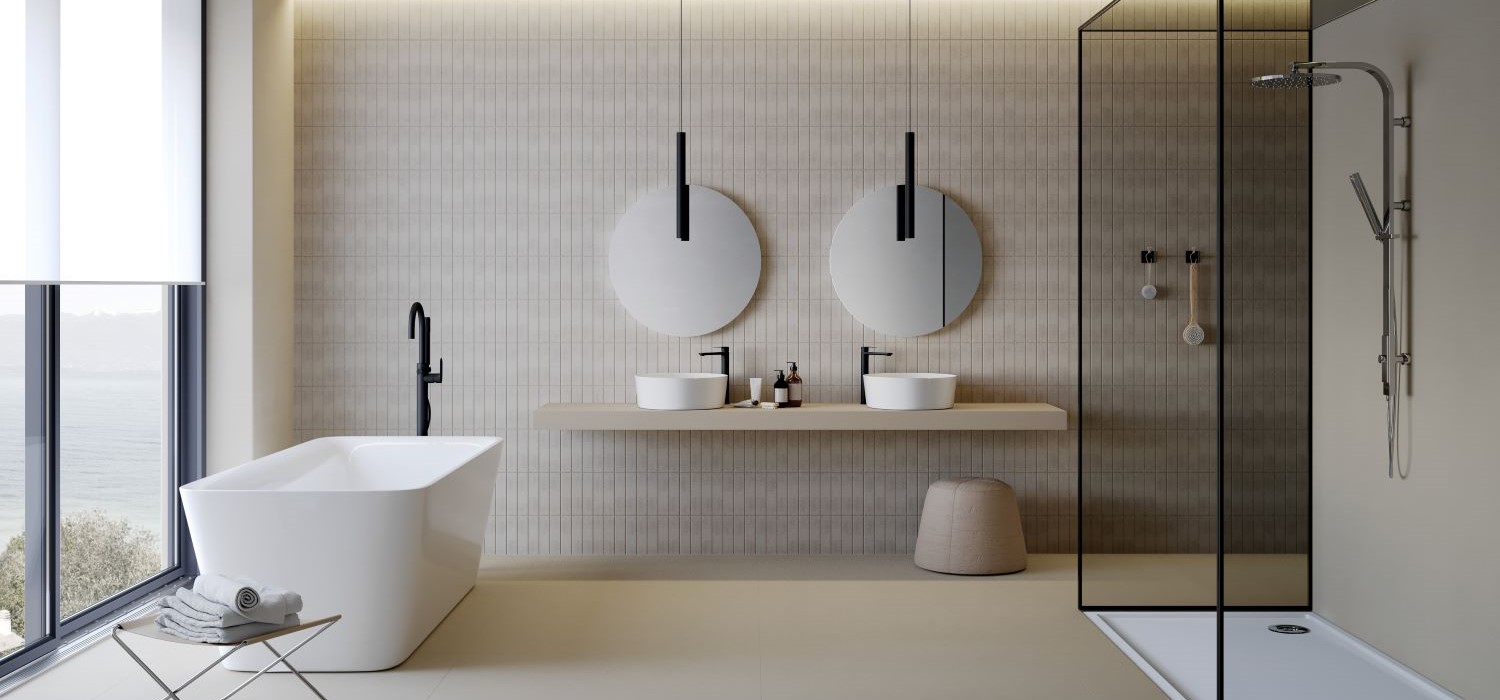
Designing a bathroom can be an exciting yet challenging experience, especially when trying to balance functionality, aesthetics, and budget. Whether you’re starting from scratch or renovating an existing space, there are multiple factors to consider ensuring your bathroom meets all your needs while reflecting your style. Here’s a friendly guide covering key aspects to keep in mind for a designer bathroom that combines luxury with practicality.
Introduction
Your bathroom is more than just a functional space; it’s a sanctuary where you start and end your day. An ideal bathroom not only looks beautiful but also feels like a retreat tailored to your personal preferences. From considering your budget to choosing the perfect shower setup, every element in a bathroom design plays a vital role. Here’s everything you need to know to create a bathroom that’s as stylish as it is functional.
Budget
Setting a budget is the first and perhaps most critical step in designing your bathroom. It will determine the quality of materials you can afford, the extent of customisations, and the range of fixtures and fittings. Whether you’re aiming for a high-end luxury bathroom or a functional and stylish one within a limited budget, having a clear budget in mind will keep your plans realistic. Make sure to allocate funds not only for design and fixtures but also for unexpected costs that might arise during renovation.
Layout
The layout of your bathroom is essential to its functionality. Take into account the size and shape of your space and try to optimise it by positioning key elements like the sink, toilet, and shower in a way that maximises movement and minimises clutter. Working with a professional designer can be beneficial, as they can help you with space planning, ensuring you make the best use of every square inch. Consider who will be using the bathroom and how often, as this might impact the choice of layout and the types of fixtures you include.
Timeframe
Designing or renovating a bathroom can take time, especially if custom elements are involved. Set a realistic timeframe for your project, considering factors like product lead times, contractor availability, and potential delays. If you’re working with a designer or contractor, ask for an estimated timeline and be prepared for adjustments along the way. Remember, rushing can compromise the quality of work, so it’s better to plan for a few extra days.
Colour
The colour palette you choose for your bathroom can significantly impact the overall ambiance. Neutral tones such as whites, greys, and beiges are popular as they give a timeless, clean look, while bolder colours can add character and make a statement. Think about whether you want your bathroom to be a calm, spa-like retreat or a lively, vibrant space. Adding colour through tiles, paint, or accent pieces allows you to customise the look to your taste while keeping it cohesive with the rest of your home.
Style
Defining your style will guide many of your design choices. Whether you’re drawn to a modern, minimalist aesthetic or a more classic, vintage look, your chosen style will impact everything from the fixtures to the materials. If you’re unsure about what style best suits you, consider exploring design inspiration online or consulting a professional. Mixing and matching styles can also work beautifully when done thoughtfully, adding a unique and personal touch to the space.
Lighting
Good lighting is essential in a bathroom, both for functionality and ambiance. Natural light can make a bathroom feel more open and fresh, so consider ways to maximise it if possible. For artificial lighting, aim for a combination of task, ambient, and accent lighting. Task lighting, like LED strips around mirrors, is perfect for daily routines, while ambient lighting creates an inviting atmosphere. Dimmer switches can also add flexibility, allowing you to adjust the lighting to your mood.
Tiling
Tiles are a key feature in bathrooms, affecting both aesthetics and practicality. When choosing tiles, think about their durability, water resistance, and how easy they are to clean. Ceramic and porcelain tiles are popular choices for their resilience, while stone tiles bring a natural, luxurious feel. Large tiles can make a small bathroom feel more spacious, while smaller mosaic tiles can add intricate detail. Don’t forget about grout colour—it may seem like a minor detail but can have a big impact on the overall look.
WC Options
There are many WC options available today, from wall-mounted toilets to more traditional styles. Wall-mounted units are a popular choice for a modern, clean look, as they make the floor easier to clean and create an illusion of space. Consider comfort, water efficiency, and design when selecting your WC, as well as the plumbing requirements. For small spaces, a compact model or corner unit might be ideal.
Storage
Storage is crucial in any bathroom to avoid clutter and maintain a sleek, organised look. Think about your storage needs—towels, toiletries, cleaning supplies—and plan accordingly. Vanity units with drawers, built-in shelves, and recessed niches in shower areas are excellent options to maximise storage. Custom cabinetry is another option if you want something tailored to fit your space perfectly, allowing you to keep essentials neatly organised and out of sight.
Bath vs. Shower
One of the key decisions when designing a bathroom is choosing between a bath and a shower, if you are constrained for space. Baths can add a touch of luxury and are great for relaxation, but they require more space. Showers, on the other hand, are practical, take up less room, and use less water. If you have the space, a separate bath and shower can offer the best of both worlds. If not, consider a shower-over-bath setup or a walk-in shower with a rainfall showerhead for a spa-like feel.
Shower Enclosure vs. Walk-In
If you’re opting for a shower, you’ll also need to decide between a traditional shower enclosure or a walk-in design. Shower enclosures with glass doors provide a contained space that minimises water splashes, making them ideal for smaller bathrooms. Walk-in showers, on the other hand, have a sleek, open look and are easy to access, perfect for a modern or accessible design. Keep in mind that a walk-in shower may require more attention to drainage and waterproofing.
Final Thoughts
Designing a bathroom involves balancing personal style with practical considerations, from budget and layout to fixtures and finishes. By thinking through these key factors, you’ll be well on your way to creating a bathroom that’s not only functional but also a true reflection of your taste. With careful planning, you can transform this essential room into a stylish haven that adds both comfort and value to your home.